
Anti-aging
Retinol
A widely used active for fine lines and pigmentation, with notes on concentration and side effects.
Read more →Ingredient Guide
Each ingredient's benefits, concentration differences, side effects and pairings in one place. An ingredient encyclopedia to help you choose by reading the label.
A widely used active for fine lines and pigmentation, with notes on concentration and side effects.
Read more →
A gentle anti-aging active used as a retinol alternative, with little irritation.
Read more →
What bakuchiol does for skin and why, what the study comparing it with retinol found, which skin it suits, how to choose and products with bakuchiol.
Read more →
What you can expect from PDRN skincare and why, how it differs from dermatology salmon injections, how to find it on the ingredient list as sodium DNA, and products.
Read more →
The structural protein behind skin elasticity. Why topical collagen stays on the surface, what hydrolyzed collagen does, and the evidence for oral collagen.
Read more →
How adenosine helps with wrinkles, which skin it suits, what to check when it works in tiny amounts, and products grouped by what they pair it with.
Read more →
Why vitamin E (tocopherol) protects skin, how tocopherol and tocopheryl acetate differ, why it pairs with vitamin C, which skin it suits and products to look at.
Read more →
What a retinol cream does and why, how it differs from a serum, and how to choose one.
Read more →
Brightening, pores, and barrier support in one. The Vitamin B3 active.
Read more →
Brightening, antioxidant, and collagen support. Forms compared on stability.
Read more →
Written 글루타티온 on Korean labels. Where it sits across 172 products, and what the brightening claim rests on.
Read more →
How vitamin C derivatives differ from pure vitamin C, why derivatives exist, the common types, how to choose one for your skin, and products with derivatives.
Read more →
What tranexamic acid does for melasma and dark spots and why, which skin it suits, how to choose a tranexamic acid product, and products to look at.
Read more →
Why azelaic acid is used for acne, redness and dark spots together, how it works, which skin it suits, and how cosmetics differ from prescription products.
Read more →
Why arbutin fades dark spots, how alpha arbutin differs, how Korea's MFDS treats it as a whitening ingredient, which skin it suits and products to look at.
Read more →
Choose a tranexamic acid cream by where the ingredient sits on the list, with creams that carry it near the front.
Read more →
An ampoule is not separated from a serum by its name. How to tell pure vitamin C from derivatives and products with it near the front.
Read more →
Why panthenol hydrates and soothes skin, which skin it suits, how to choose a panthenol cream, products by skin type and how to apply it.
Read more →
A key hydrating ingredient that draws in moisture, with notes by molecular size.
Read more →
What squalane does for skin and why, how it differs from squalene, which skin it suits, where it goes in your routine and products by skin type.
Read more →
A hydrating and soothing ingredient from oats and yeast. How it forms a moisture film, calms irritated skin, and pairs with other actives.
Read more →
The most widely used moisturizing ingredient in cosmetics. How it draws water from the air and deeper skin layers, and how it compares to hyaluronic acid.
Read more →
Urea moisturizes at 10% or below and exfoliates above it. Strength differences and how to choose a body lotion.
Read more →
An ampoule is not separated from a serum by its name. How to read the ingredient list and products with it near the front.
Read more →
A core barrier ingredient. The 5-type complex and its ratio.
Read more →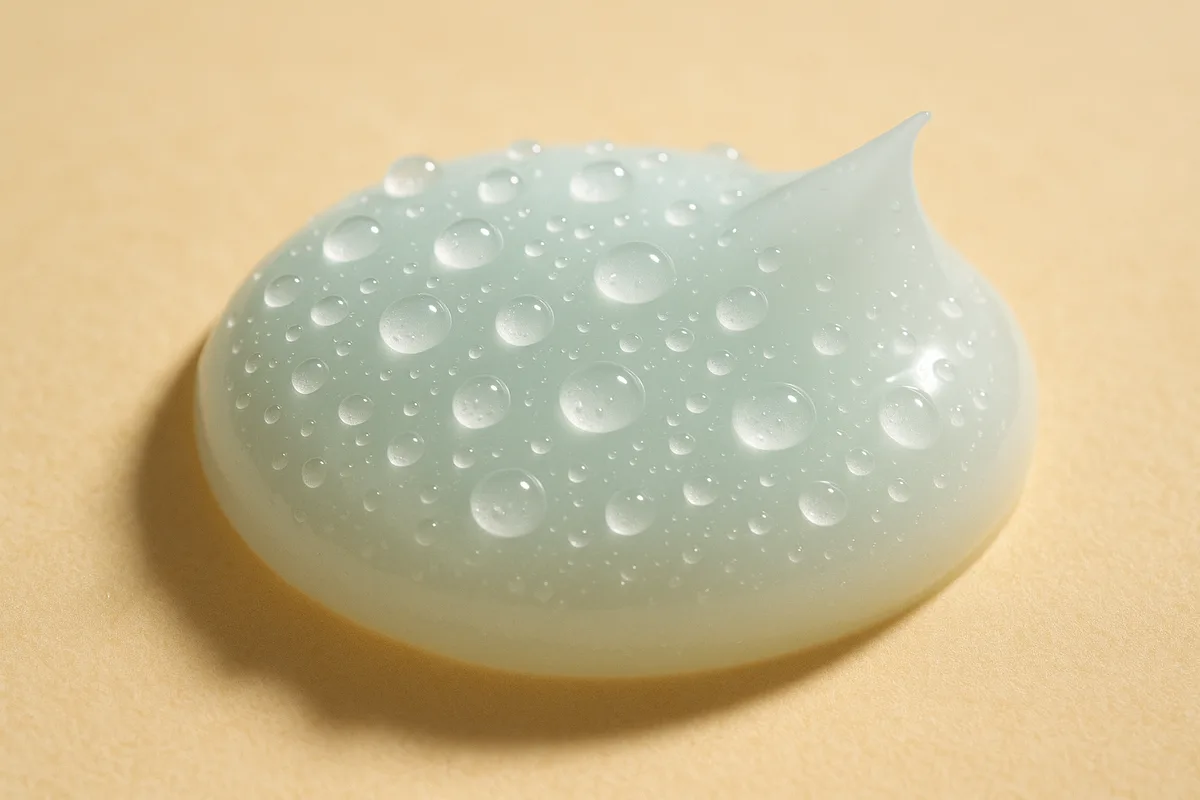
Soothes irritated skin and gently smooths the surface. Delivers both calming and keratolytic benefits at once.
Read more →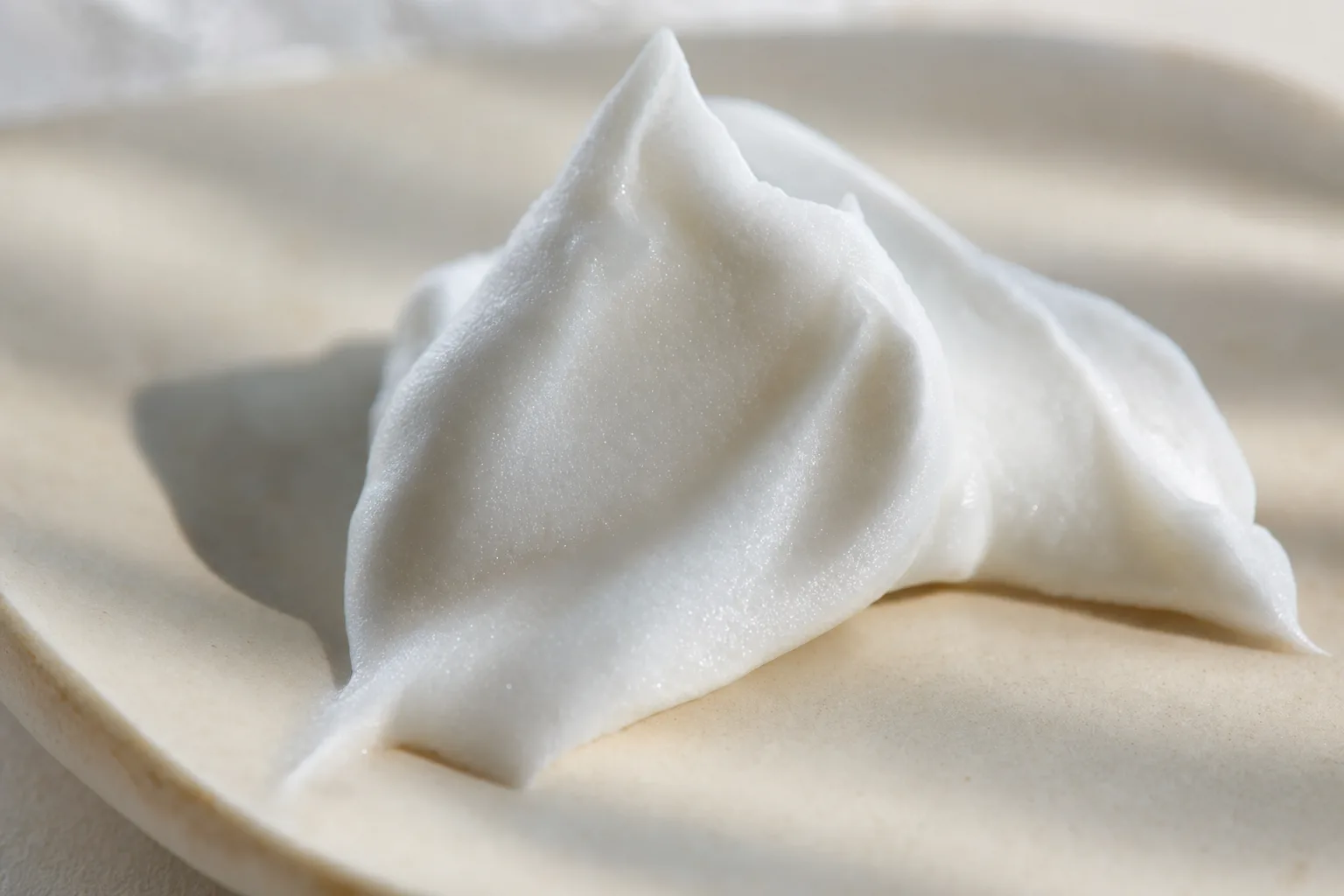
A mineral ingredient for sebum control and inflammation reduction. Forms, benefits, and pairing with niacinamide.
Read more →
Saponins such as madecassoside for soothing and recovery.
Read more →
The core of SK-II Pitera. How the amino-acid ferment complex works.
Read more →
A natural complex of glycosaminoglycans, allantoin, and collagen.
Read more →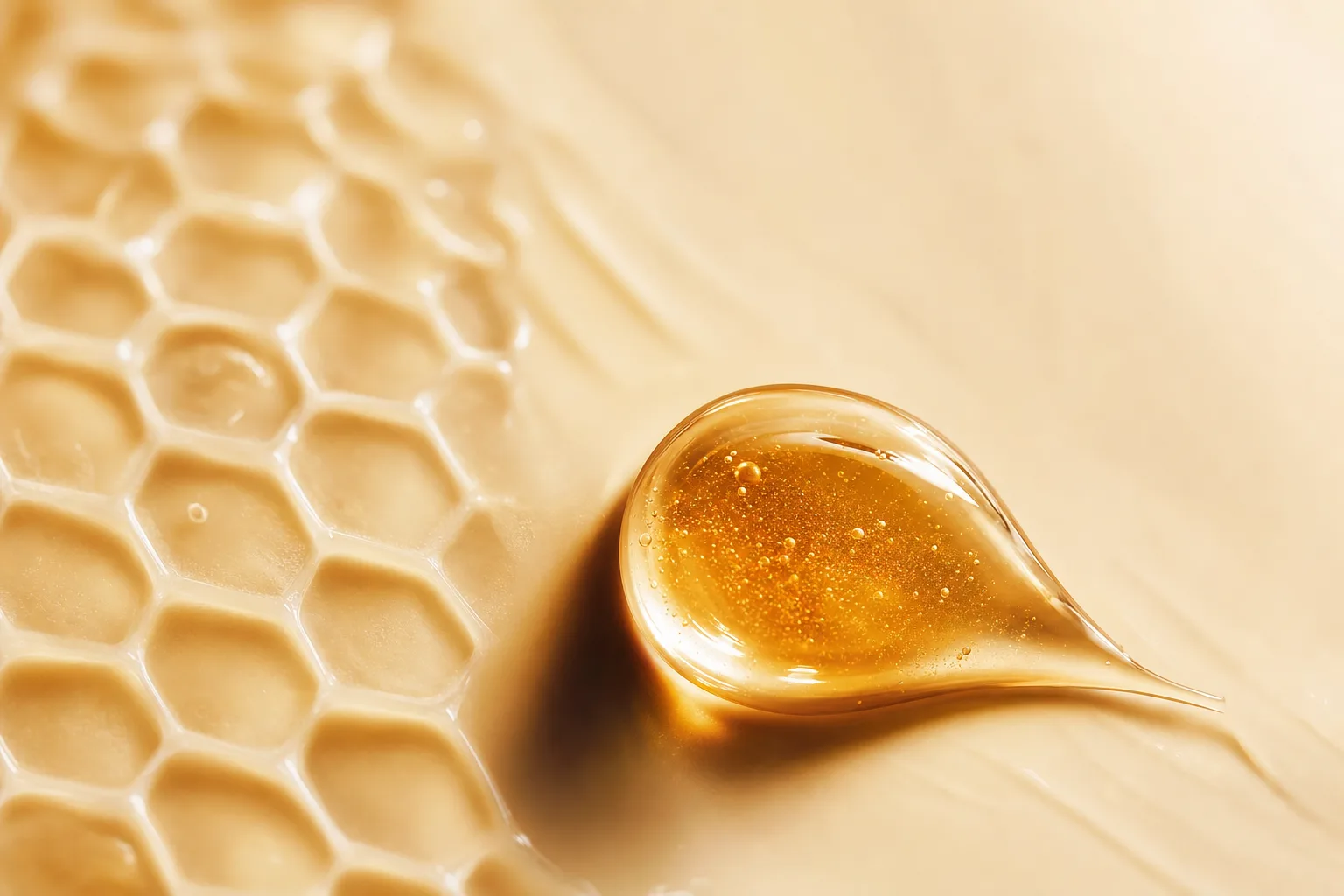
A natural resin made by bees. Flavonoid-driven soothing and antioxidant action, plus the allergy caution.
Read more →
A traditional East Asian herb. Flavonoid-driven soothing and antimicrobial support for oily and trouble-prone skin.
Read more →That ingredient isn't in the guide yet.
Try another term, or browse the concern sections above. New ingredient guides are added regularly.
Enter a product name and we break down the key ingredients, then finds lower-priced products with the same actives.
Start ingredient analysis