Home
Ingredient Guide · Sebum and Acne-Prone Skin

Zinc guide
Sebum control and acne-prone skin ingredient explained

Zinc is a mineral used in skincare to regulate sebum production and calm inflammation. It appears in several forms: zinc oxide acts as a physical UV filter with anti-inflammatory properties, while zinc PCA works directly on sebaceous glands to reduce oiliness. This guide covers each form, how they work, how to use them by skin type, and how zinc pairs with niacinamide.

KFDA UV-filter notification · Cosmetic ingredient database · Updated June 2026

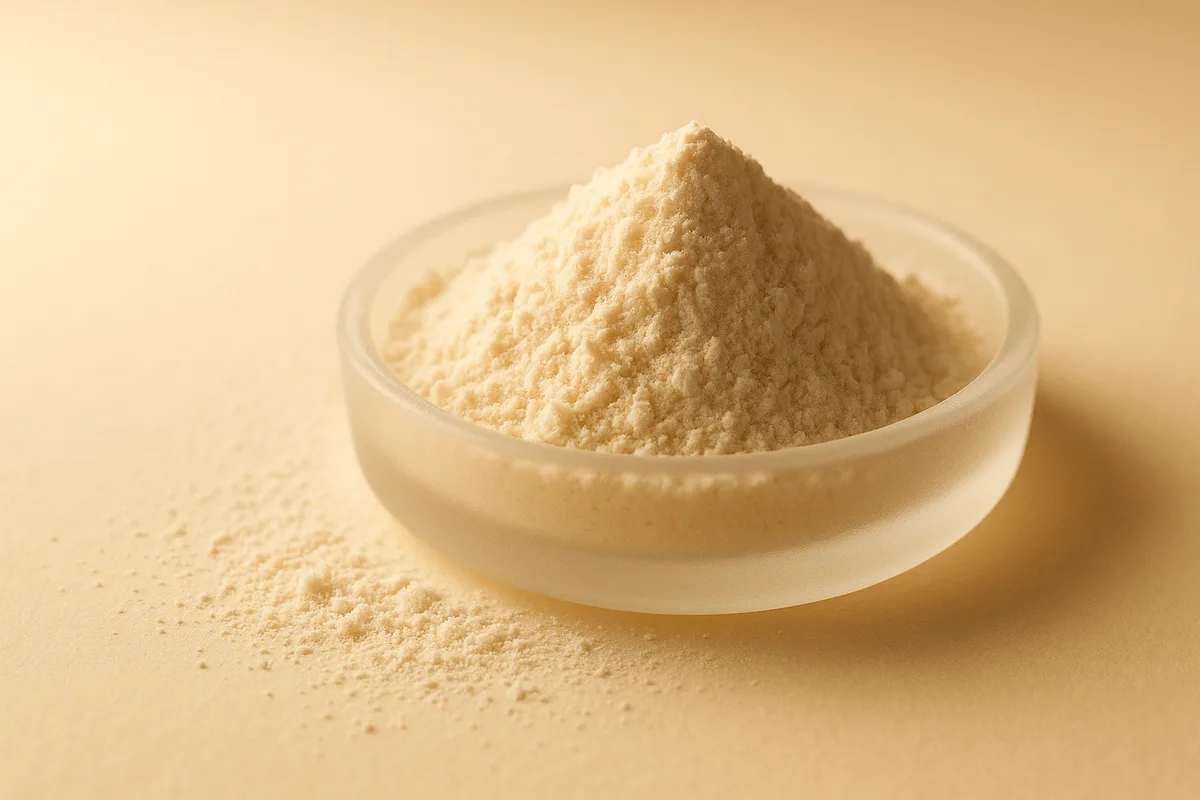
Fine white mineral powder gently scattered across a warm cream ceramic surface, editorial macro photography
A Two-Fold Principle

Two ways zinc works in skin

01. Sebum Regulation

Reducing excess sebum production

Zinc suppresses the activity of sebaceous gland cells, reducing how much sebum they produce. When sebum output is lower, the chance of pores becoming clogged and forming breakouts decreases with it.

02. Anti-inflammatory

Calming the inflammatory response

When a breakout forms, the skin triggers an inflammatory response. Zinc helps moderate that response, which can reduce redness and tenderness. Because it has low irritation potential, it is suitable for daily use without stressing the barrier.

Zinc is an essential mineral for the human body and plays a role in skin health as well. In cosmetics, it appears in several compound forms, each with a somewhat different primary function depending on what it is combined with.

Forms of zinc used in skincare

FormMain roleTypical product types
Zinc oxide (Zinc Oxide)Physical UV filter + anti-inflammatoryMineral sunscreens, baby creams
Zinc PCA (Zinc PCA)Sebum regulation, breakout reductionSerums, lotions, toners
Zinc gluconate (Zinc Gluconate)Anti-inflammatory, mild antibacterialAcne-care serums, ampoules
Zinc acetate (Zinc Acetate)Anti-inflammatoryAcne-care products

Zinc oxide is listed by Korea's KFDA as a notified UV-filtering ingredient. Applied to the skin, it scatters ultraviolet rays at the surface without being absorbed into it. That makes it a lower-irritation choice compared to chemical filters, which is why it is common in products for sensitive skin and children. Zinc PCA is the form most specifically tied to sebum control. PCA (pyrrolidone carboxylic acid) is one of the skin's own natural moisturizing factors, and the zinc-PCA complex works to suppress sebaceous gland activity. You will often find it listed in serums and toners marketed to oily and combination skin.

What zinc does in skin

Sebum regulation

Zinc PCA suppresses the activity of sebaceous gland cells, lowering the rate at which sebum is produced. When sebum is kept at a more moderate level, the conditions that lead to clogged pores and breakouts become less likely to develop. Niacinamide works toward similar outcomes through a different mechanism, so the two ingredients tend to complement each other well when used together.

Reducing inflammation

When a breakout forms, an inflammatory cascade starts inside the skin. Zinc helps moderate that response. It does not act as forcefully as salicylic acid (BHA), but its low irritation potential means it can be used daily without putting pressure on the barrier. It is better suited to preventing breakouts from worsening than to resolving an existing one quickly.

Mild antibacterial activity

Zinc gluconate and zinc acetate have been reported to reduce excess growth of Cutibacterium acnes, the bacteria associated with acne. This is not comparable to the action of antibiotics or salicylic acid but makes these forms useful as supporting ingredients in products designed for breakout-prone skin.

How to use zinc by skin type

Oily and combination skin: A serum or toner containing zinc PCA used morning and evening can help keep sebum levels steadier over time. Look for Zinc PCA in the ingredient list to confirm the form.

Acne-prone and breakout-prone skin: Products with zinc gluconate or zinc acetate used alongside niacinamide address both sebum control and calming in one routine. Spot application to an active breakout area is also an option.

Sensitive skin: Mineral sunscreen with zinc oxide tends to be less irritating than sunscreens built on chemical UV filters and is a practical way to incorporate zinc if the skin barrier is fragile.

Dry skin: A sebum-focused zinc serum can feel too stripping on dry skin. Products that pair zinc with moisturizing ingredients, or mineral sunscreen as the primary form of zinc, are a more natural fit. Some sebum is needed to maintain the skin barrier, so there is no reason to suppress it heavily.

Ingredients that work well with zinc

Popular products with zinc

Zinc appears more often as part of a formulation than as a single-ingredient product. In an ingredient list, look for Zinc PCA, Zinc Oxide, Zinc Gluconate, or Zinc Acetate. Niacinamide serums frequently include zinc PCA as a complementary ingredient, and most mineral sunscreens list zinc oxide as the active UV filter.
Editorial Tip

Managing sebum, not just removing it

"The goal with oily and breakout-prone skin is not to strip away as much sebum as possible. It is to keep sebum at a level where it stops being a problem, and to prevent inflammation from escalating when a breakout starts. Zinc works on both, and because it is so low-irritation, it fits into a daily routine without adding stress."

— Beauty Dupe Editorial

The Synthesis of Wisdom

Three things that define zinc in skincare

Form determines function, sebum suppression at the source, and calming inflammation before it spreads. Zinc's role as a skincare ingredient sits across all three.

01. Form

The compound determines the role

Zinc oxide scatters UV rays physically. Zinc PCA targets sebaceous gland activity. Zinc gluconate focuses on inflammation. The same zinc in different compounds does meaningfully different jobs, so reading the ingredient list tells you what a product is actually designed to do.

02. Sebum

Suppressing sebaceous gland activity

Zinc PCA works directly on the cells that produce sebum, reducing how active they are. Less sebum means fewer conditions for pores to clog. Niacinamide works toward similar outcomes through a different pathway, which is why pairing the two is a common formulation choice.

03. Calming

Moderating the inflammatory response

When a breakout forms, inflammation in the skin amplifies redness and tenderness. Zinc helps moderate that response. Because it causes so little irritation on its own, it layers well with other calming ingredients like centella and allantoin.

Zinc is not a dramatic ingredient. It keeps sebum from getting out of hand and stops inflammation from escalating. That low profile is exactly what makes it a good fit for daily use on skin that tends toward oiliness and breakouts.

Beauty Dupe Editorial

Frequently asked questions

Does zinc treat acne directly?

As a cosmetic ingredient, zinc helps regulate sebum and reduce inflammatory responses, creating an environment where breakouts are less likely to develop. This is different in scope from prescription acne treatments. If breakouts are persistent or severe, a dermatologist can advise on treatment options alongside any topical routine.

Can I use zinc and niacinamide together?

Yes. The two complement each other across sebum control, brightening, and pore care. Many products pair niacinamide at 10% with zinc PCA at 1% for this reason. If you are using them as separate products, apply the lighter-textured one first and finish with a moisturizer. For more on pairing actives, see our ingredient combinations guide.

What makes sunscreens with zinc oxide different?

Zinc oxide is a physical (mineral) UV filter that scatters ultraviolet rays at the surface of the skin rather than being absorbed into it. This makes it a lower-irritation option compared to chemical UV filters, which is why it appears frequently in products for sensitive skin and children. It is approved by Korea's KFDA as a notified UV-filtering ingredient, with a permitted use level up to 25%.

Can people with dry skin use zinc skincare?

If sebum control is not a concern, a dedicated zinc serum may feel too stripping for dry skin. Products that blend zinc with moisturizing ingredients, or mineral sunscreen with zinc oxide, are a more natural fit. Some sebum is needed to maintain the skin barrier, so there is no benefit in over-suppressing it.

Skin Warning

Zinc is generally a low-irritation ingredient, but when trying a new product, patch test first on a small area such as behind the ear or along the jawline and watch the reaction for about a day. When combining zinc with other acne-care ingredients like salicylic acid, monitor how the skin responds and reduce frequency if irritation builds up.

Sources

Disclaimer · This guide is general information and does not replace a personal skin diagnosis. If irritation or breakouts occur, stop use and consult a dermatologist.
Continue Exploring

Keep reading

Acne and redness ingredient Azelaic acid: acne, redness, and pigmentation
Soothing and antioxidant ingredient Propolis: a bee-derived soothing ingredient
Soothing ingredient Allantoin: soothing and surface-smoothing
Start Your Analysis

Does your acne-care product contain zinc?

Enter a product name and our AI breaks down its key ingredients like zinc and niacinamide, then finds value-for-money alternatives that share them.

Start ingredient analysis
한국어