Magazine
Skincare Guides · Ingredient guide

Beta-Glucan Guide
Hydrating and Soothing Ingredient

Beta-glucan is a polysaccharide derived from oats and yeast. Applied to skin, it forms a thin moisture film that slows water loss and soothes irritation. It is widely used alongside hyaluronic acid in hydrating routines and is well tolerated by sensitive and dry skin types.

AAD guidelines · FDA 21 CFR 347 · Korean Dermatological Association · Updated July 2026

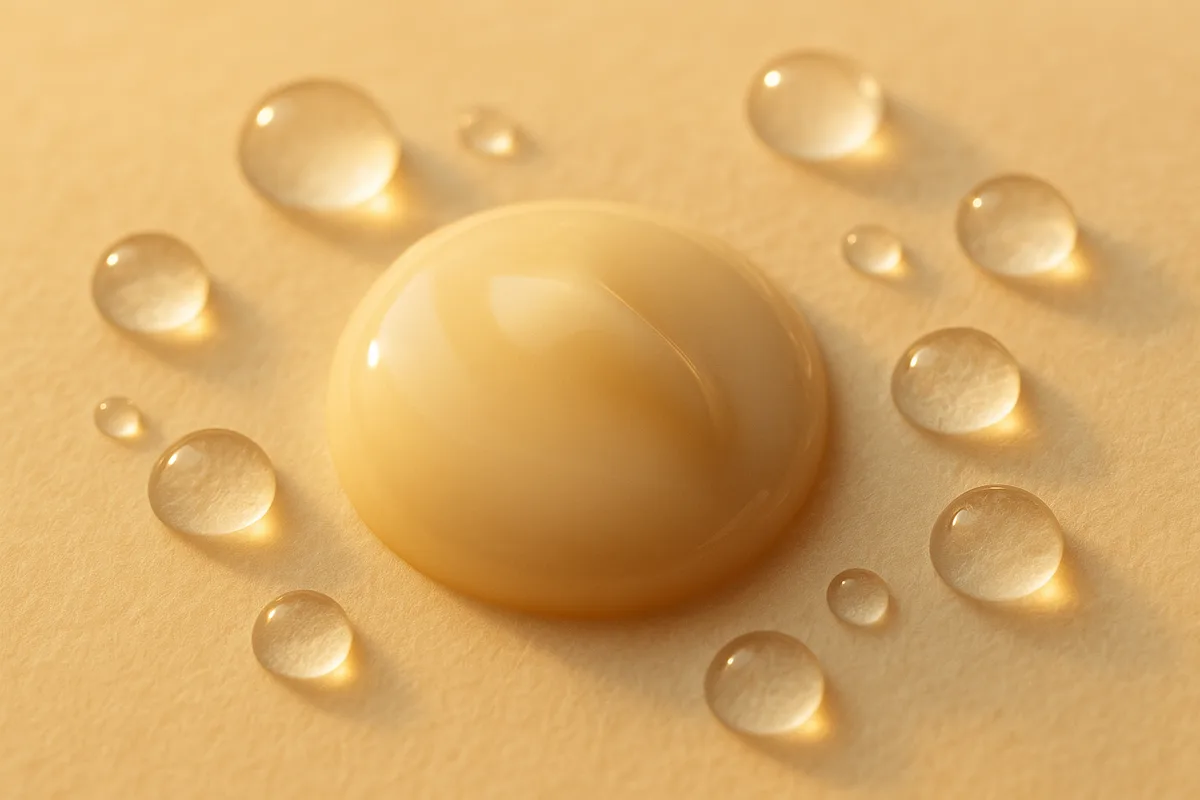
Oat grain cross-section with dew droplets on a warm cream surface. Editorial macro still life representing beta-glucan, the hydrating and soothing ingredient derived from oats.
A Two-Fold Principle

How Beta-Glucan Works

01. Moisture Film

Locking In Moisture

Beta-glucan forms a thin film on the skin surface that slows the rate of water evaporation. Rather than drawing in new moisture, it holds on to the water already in skin, supporting longer-lasting hydration. Its molecular size allows it to stay well within the stratum corneum.

02. Skin Soothing

Soothing and Barrier Support

Beta-glucan is thought to bind to glucan receptors in the skin, helping to modulate the skin's inflammatory response and reduce discomfort from irritation. It is often included alongside actives such as retinol and AHA to provide a calming counterbalance.

What Is Beta-Glucan?

Beta-glucan is a polysaccharide, meaning it is built from long chains of glucose molecules. It occurs naturally in oats, barley, yeast, and certain mushrooms. In skincare, oat-derived and yeast-fermented beta-glucan are the most common. On an ingredient list, look for 'beta-glucan', 'oat beta-glucan', or 'sodium carboxymethyl beta-glucan'.

As a polysaccharide humectant, it appears frequently in the same routines as hyaluronic acid and panthenol. Beyond moisturizing, its soothing properties make it a useful addition for sensitive skin and for routines that include potentially irritating actives.

How It Works in Skin

Beta-glucan works through two main pathways.

First, it forms a moisture-retaining film. The viscous polysaccharide chains create a thin layer over the stratum corneum that slows transepidermal water loss (TEWL). Where hyaluronic acid actively draws moisture from the environment into the skin, beta-glucan is more focused on keeping what is already there.

Second, it engages glucan receptors in the skin to deliver a soothing effect. Skin contains receptors that recognize beta-1,3-glucan structures, and binding to these receptors is thought to help regulate the skin's defense response, easing irritated or reactive skin. This soothing pathway is distinct from what hyaluronic acid offers.

Why Oat-Derived Beta-Glucan Is So Common

Oats are a reliable source of beta-glucan, with high concentrations and a well-standardized extraction process. The FDA recognizes colloidal oatmeal under 21 CFR 347 as an over-the-counter skin protectant, and there is a substantial body of clinical evidence for its role in soothing skin.

Yeast-fermented beta-glucan is also widely used in cosmetics. It shares the same beta-1,3/1,6-glucan structure as the oat-derived form, and may be a better option for those with oat sensitivities.

How It Differs from Hyaluronic Acid

PropertyBeta-GlucanHyaluronic Acid
TypePolysaccharide (glucose polymer)Glycosaminoglycan
Main sourceOats, yeastMicrobial fermentation
Hydration methodMoisture film (occlusion-like)Moisture attraction (humectant)
Soothing effectYes (glucan receptor pathway)Minimal
Used togetherComplementary pathways; effective in combination

The two ingredients are complementary. Hyaluronic acid draws moisture in; beta-glucan creates a film that holds it there. Using both extends the duration of hydration. For skin that is irritated or reactive, beta-glucan's soothing action adds an additional benefit that hyaluronic acid does not provide.

What to Pair It With

Editorial Tip

Why the Hydration Lasts

"Beta-glucan does not pull moisture in; it keeps the moisture already there from leaving. When hyaluronic acid draws water in and beta-glucan seals it with a film, hydration lasts noticeably longer. On evenings when you use retinol or AHA, finishing with a beta-glucan moisturizer can reduce the dryness that often follows."

— Beauty Dupe Editorial

How to Use It Safely

The Synthesis of Wisdom

Three Things to Know About Beta-Glucan

Moisture film, soothing action, and compatibility with other actives. Understanding these three properties makes it straightforward to decide how and when to use beta-glucan in a routine.

01. Moisture Film

Moisture Film

Polysaccharide chains create a thin film over the stratum corneum that slows water evaporation. Holding on to existing moisture rather than drawing in new moisture makes it well suited to long-lasting hydration.

02. Skin Soothing

Soothing Action

Binding to glucan receptors in the skin helps modulate the skin's response to irritation. Using beta-glucan when introducing retinol or AHA can ease the discomfort that sometimes accompanies the early stages of those actives.

03. Compatibility

Works Well With Others

Beta-glucan is compatible with hyaluronic acid, ceramides, and panthenol, each working through a different pathway. There are no well-known ingredient conflicts, making it flexible to place in a variety of routines.

Beta-glucan works quietly. It produces no immediate sensation and draws little attention, but in a routine that uses actives, it is doing real work: holding moisture in place and keeping irritation at bay.

Beauty Dupe Editorial

Frequently Asked Questions

Which is better for hydration, beta-glucan or hyaluronic acid?

They work differently, so a simple comparison is difficult. Hyaluronic acid is a strong humectant that draws moisture from the environment into the skin, while beta-glucan forms a film on the skin surface that slows water loss. If your skin is irritated or sensitive, beta-glucan's added soothing effect may suit you better. The two work well together and complement each other.

Are products with colloidal oatmeal the same as beta-glucan products?

Similar, but not the same. Colloidal oatmeal contains beta-glucan, but it also includes lipids, proteins, vitamins, and other components. Pure beta-glucan is extracted from oats or derived from yeast fermentation, giving a more concentrated and predictable dose. For sensitive skin, isolated beta-glucan makes it easier to predict concentration and potential irritation.

Does beta-glucan help when using retinol?

It can. Retinol can cause dryness and mild irritation in the early stages of use. Beta-glucan forms a moisture barrier and provides soothing effects that may reduce this discomfort. Beta-glucan does not interfere with retinol's activity, so layering them or using a product that combines both is fine.

Is beta-glucan safe for sensitive skin?

Generally yes. Allergic reactions and irritation are uncommon, which is why beta-glucan appears frequently in products formulated for sensitive skin. For oat-derived beta-glucan, those with oat allergies should take care. Yeast-derived beta-glucan carries a lower risk in that case. A patch test before first use is recommended.

Skin Warning

Beta-glucan is generally low-irritation, but a patch test is recommended before first use. If you have an oat allergy, be cautious with oat-derived beta-glucan products. Discontinue use and consult a dermatologist if you experience redness, itching, or irritation.

References

Disclaimer · This guide is for general informational purposes and does not substitute for individual skin assessment by a qualified professional. Discontinue use and consult a dermatologist if irritation or an adverse reaction occurs.
Continue Exploring

You Might Also Like

Hydration science The Three Moisturizing Principles
Soothing ingredient Panthenol (Pro-Vitamin B5)
Sensitive skin Sensitive Skin Ingredient Checklist
Start Your Analysis

How much beta-glucan is in your skincare?

Enter a product name and our AI will analyze the key ingredients, estimate beta-glucan concentration, and suggest budget-friendly alternatives with a similar formula.

Analyze ingredients
한국어