Azelaic acid benefits: why it is used for acne, redness and dark spots
Azelaic acid is also found in grains such as wheat and barley. On skin it does three main jobs.
- Acne: It works on two points where breakouts start. It is known to reduce acne bacteria and to cut down dead skin piling up at pore openings. Acne treatment guidance also lists it as an option to use alongside other treatments (Thiboutot et al., 2009).
- Redness: It calms inflammation, which softens redness. Studies of a 15% gel reported less redness and fewer bumps in rosacea, a skin condition that flushes easily (Gupta et al., 2007).
- Dark spots and melasma: It blocks the enzyme that makes pigment (tyrosinase), so less melanin forms. In a melasma study, a 20% cream lightened spots to a similar degree as 4% hydroquinone (Baliña et al., 1991).
Why it helps all three at once
Acne-prone skin mixes bacteria, clogged pores and inflammation, and pigment tends to stay where inflammation has passed. Azelaic acid reduces bacteria, keeps dead skin from building up, calms inflammation and holds back the pigment enzyme, so one ingredient touches several steps of that chain. That is why it is often suggested for skin with breakouts, redness and marks together.
Unlike antibiotics, long use raises little concern about bacteria becoming resistant, which is another reason it is used in acne care (Thiboutot et al., 2009).
Which skin azelaic acid suits
If breakouts, redness and marks all bother you, it is an ingredient to look at first. Skin that finds retinol or exfoliating acids too stingy often tolerates it better.
If your face flushes easily and blood vessels show, it may be rosacea. See a dermatologist before picking skincare, because prescription azelaic acid and cosmetics differ in strength and in what you can expect.
How to choose an azelaic acid product
- Strength: Studies used 15 to 20%. Cosmetics can come in lower strengths, so check the percentage in the name or description. Higher strengths can sting more at first.
- Cosmetic or prescription: In some countries, 15 to 20% products are prescription medicines. For rosacea or severe acne, a dermatologist prescription is the right route.
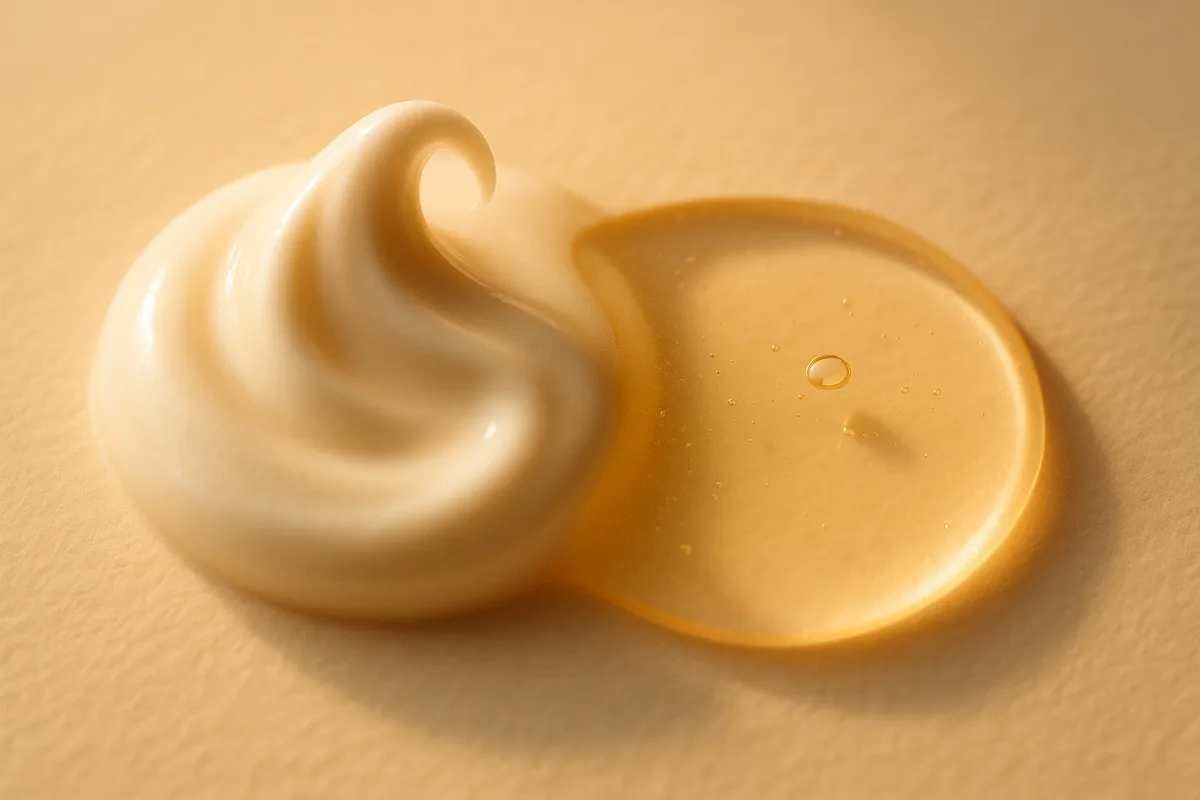
- Texture: Gels feel lighter and creams are less drying. If your skin dries out easily, a cream or a formula with moisturizers is easier.
Azelaic acid products: cosmetics and prescriptions
None of the 2,426 full ingredient lists we have collected contains azelaic acid yet. Our sample comes mostly from Korean online stores, with few overseas brands, which explains much of that. If you are looking for azelaic acid, overseas brands or a dermatologist prescription are the faster route.
If azelaic acid does not suit you or is hard to find, other ingredients target similar concerns. Of our 2,426 lists, 1,027 contain niacinamide, and 194 contain salicylic acid (BHA), which dissolves dead skin inside pores. Acid strength limits are in the AHA, BHA and PHA guide, and the line between acne cosmetics and medicine is in Acne care: cosmetics vs medicine.
How to apply it and what to watch
- Evenings only at first: Start with a low strength in the evening only, then use it more often once your skin adjusts.
- Watch the sting: A mild sting or warmth is common at first and usually fades within a few weeks. Take a break if it is strong or lasts.
- Sunscreen too: If dark spots are your goal, wear sunscreen during the day. See SPF and PA explained for choosing one.
- With other actives: You can use it with retinol or AHAs, but both can irritate. Add one at a time and split them by time of day. Combinations are covered in the ingredient combination guide.
Frequently asked questions
Is azelaic acid better for acne or redness?
It is used for both. For acne it reduces bacteria and clogged pores, and for redness it calms inflammation. If you have both, it reaches both at once.
It stings when I apply it. Is that normal?
A mild sting or warmth is common at first and usually fades within a few weeks. If redness is strong or lasts, stop and check your skin.
Can I use it during pregnancy?
Topical azelaic acid is known to raise relatively little concern during pregnancy, but check with your obstetrician or dermatologist first. See the pregnancy skincare guide for more.
Can I use it with niacinamide?
Yes. Niacinamide reduces how pigment moves up into the skin, so it works by a different route from azelaic acid.
Skin Warning
When starting azelaic acid, use a low-concentration product at night only and patch test first. Some tingling or redness can appear early on. If it is strong or persistent, stop use and consult a dermatologist. If you suspect rosacea, see a dermatologist rather than relying on cosmetics alone.
Sources
- American Academy of Dermatology — Acne clinical guideline
- American Academy of Dermatology — Rosacea: Diagnosis and treatment
- Thiboutot D, et al. "New insights into the management of acne: an update from the Global Alliance to Improve Outcomes in Acne group." J Am Acad Dermatol. 2009;60(5 Suppl):S1-50.
- Gupta AK, Gover MD. "Azelaic acid (15% gel) in the treatment of acne rosacea." Int J Dermatol. 2007;46(5):533-538.
- Baliña LM, Graupe K. "The treatment of melasma. 20% azelaic acid versus 4% hydroquinone cream." Int J Dermatol. 1991;30(12):893-895.
INGREDIENT CHECK
Curious what goes into your own products?
Type a product name and get a free ingredient analysis.