Home
Skincare Science · Skin Safety

How to patch test properly
Skin reaction science and what to watch for

Before applying a new product all over your face, testing it on a small area first lets you catch a reaction before it affects your whole complexion. This guide covers which products are worth testing, where to apply the test, and how long you actually need to wait.

AAD Guidelines · KFDA Safety Standards · Updated June 2026

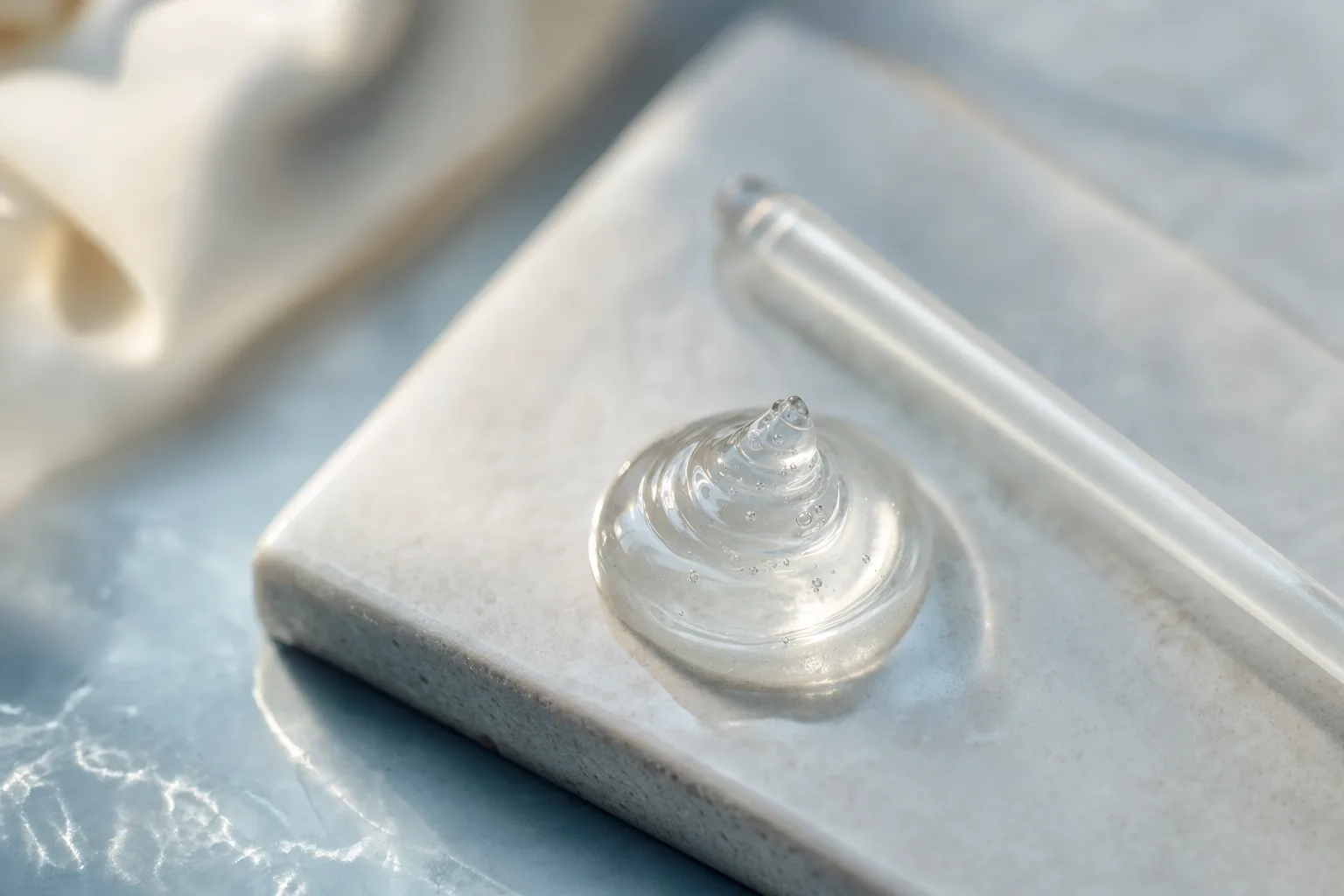
A precise translucent skincare gel swirl carefully dispensed onto a smooth ceramic tile surface, editorial macro photography
A Two-Fold Principle

Two things that make patch testing work

01. Two Reaction Types

Two kinds of skin response

Skin trouble from cosmetics falls into two categories. An irritant response happens when an ingredient directly damages the skin barrier, and it can appear within hours of application. An allergic response involves the immune system and may show no sign at first, only to appear suddenly after repeated exposure. Patch testing can catch both.

02. Delayed Response

Reactions arrive on a delay

Allergic responses are driven by immune memory: the immune system must recognize the ingredient before it reacts, and that process takes at minimum 24 to 48 hours. Stopping the test after 24 hours is not enough. Waiting a full 48 hours gives a much more reliable result, and for sensitive skin, 72 hours is even better.

Products worth testing before you apply

Not every product needs a patch test. These categories are worth the extra step, especially when you are using them for the first time.

Product typeWhy it matters
Retinol and retinoidsInitial irritation is common and low concentrations are usually needed to build tolerance
AHA and BHA exfoliantsStrong acids can disrupt the skin barrier
High-fragrance productsFragrance is one of the leading causes of allergic contact dermatitis
Preservatives (MI, MCI, some parabens)These are among the most frequently reported contact allergens in cosmetics
New brands or high-potency activesNo prior reaction history to draw on

How to patch test correctly

Step 1: Choose your test site

The inner wrist is the most common choice because the skin there is thin and close to the surface, so reactions tend to show up clearly. Behind the ear or along the inner jaw are also used. Starting on the body rather than the face is the safer approach, and if the body test is clear, a small patch on the cheek or jaw can give added confidence before full facial use.

Step 2: Apply a small amount

Apply the product to an area roughly the size of a coin. Do not wash or rub that spot during the test period. Applying other products over the test area or sweating heavily during exercise can alter the result, so keep the site as undisturbed as possible.

Step 3: Observe for at least 48 hours

Check the area after 24 hours and again after 48 hours. If there is no reaction at the 48-hour mark, you can proceed with normal use. If a reaction appears at any point, rinse the area with cool water and apply a calming product to settle the skin.

Reading the signals if something happens

What you seeWhat it may mean and what to do
Mild redness or stingingPossible irritant response. Rinse and apply a soothing product
Itching, swelling or hivesPossible allergic response. Stop using the product
Blistering or significant swellingStronger allergic reaction. See a dermatologist
No reaction after 48 hoursClear at this site. A small facial test can give extra assurance
Editorial Tip

Before your face becomes the test site

"Applying a new active directly to your whole face makes it hard to identify the cause if something goes wrong, and recovery takes longer. A 24 to 48 hour patch test is a small investment that makes the rest of your routine far easier."

— Beauty Dupe Editorial

Four common patch testing mistakes

The Synthesis of Wisdom

Three concepts behind skin reactions

Irritant responses, allergic responses, and the sensitization process that links them. Understanding these three ideas is what makes a patch test genuinely useful.

01. Irritant

Irritant response

This happens when an ingredient directly disrupts the skin barrier. Strong acids, high-concentration alcohol, and certain surfactants are common culprits. The response tends to come on quickly and usually clears after the ingredient is removed.

02. Allergic

Allergic response

Here the immune system treats a specific ingredient as a threat. After recognizing the ingredient once, the immune memory can trigger a reaction on subsequent exposure even to small amounts. The delay between application and visible reaction is what makes 48-hour observation so important.

03. Sensitization

Sensitization

This is the process by which the immune system learns to recognize an ingredient as a threat over repeated contact, without triggering a reaction at first. Once sensitization is complete, even small amounts can cause a strong response. It is why one clear patch test result does not guarantee safety with every future use of the same product.

Skipping the patch test means your face becomes the experiment. Forty-eight hours of careful testing protects a much longer stretch of your routine.

Beauty Dupe Editorial

Frequently asked questions

Do I need to patch test every product?

Gentle moisturizers and cleansers can usually be skipped. Products with retinol, AHA or BHA, high fragrance content, or unfamiliar active ingredients are worth testing. If you have sensitive or atopic skin, testing every new product is a reasonable habit.

Can I wash the test area during the observation period?

Keeping the product on the test area throughout the observation period is what makes the test meaningful. Washing or rubbing removes the ingredient before a reaction has a chance to develop. During showers, try to keep water away from the test spot or cover it with a waterproof patch.

If there is no reaction, is it completely safe to use on my face?

A patch test shows how that area of skin responded during that period. Facial skin is often more sensitive than the inner arm, and repeated use can trigger a response that did not appear at first. No test guarantees zero risk, but it is much safer than applying a new product straight to your face without any check.

My skin always reacts. Is patch testing still worth it?

If your skin reacts frequently, understanding which ingredients cause those reactions matters even more. Keeping notes on what triggered a response and consulting a dermatologist can help narrow down the culprit ingredients. Look for products formulated without added fragrance and with minimal preservatives.

Skin Warning

If redness, itching, or swelling appears during the patch test, rinse the area with cool water and apply a calming product. Stop using the product and consult a dermatologist if the reaction is severe or does not settle.

References

Disclaimer · This guide is for general information only and is not a substitute for professional skin assessment. If an allergic reaction or persistent irritation occurs, stop using the product and consult a dermatologist.
Continue Exploring

Keep reading

Ingredient combinations Skincare ingredients you should not mix
Exfoliation guide How often to exfoliate — safe methods by skin type
Soothing ingredient Allantoin — soothing and skin-smoothing ingredient
Start Your Analysis

Want to check whether an ingredient suits your skin?

Enter a product name and our AI breaks down the key ingredients, then finds value-for-money alternatives that share them.

Analyze ingredients
한국어