Why dead skin builds up on the face
The outer layer of skin keeps shedding old cells as new ones rise. When that turnover slows or becomes uneven, dead skin lingers. Skin looks dull and rough, and pores can clog. Exfoliating gives that natural turnover a small push.
Smoother skin also lets moisturizers spread more evenly. More is not better, though. The outer layer is part of your skin barrier, and stripping too much weakens its ability to hold water first.
How often by skin type
Start around these numbers and adjust to how your skin responds. The same skin can react differently by season and condition.
- Dry and sensitive: once a week or less. A gentle PHA or low-strength AHA is easier than a scrub, and always moisturize.
- Combination: once or twice a week. Skip dry areas and focus on the oily T-zone.
- Oily: two or three times a week. Overdoing it can leave skin tight and shiny.
- Breakout-prone: once or twice a week. Do not scrub over active spots, and choose an acid instead.
Scrubs vs exfoliating acids
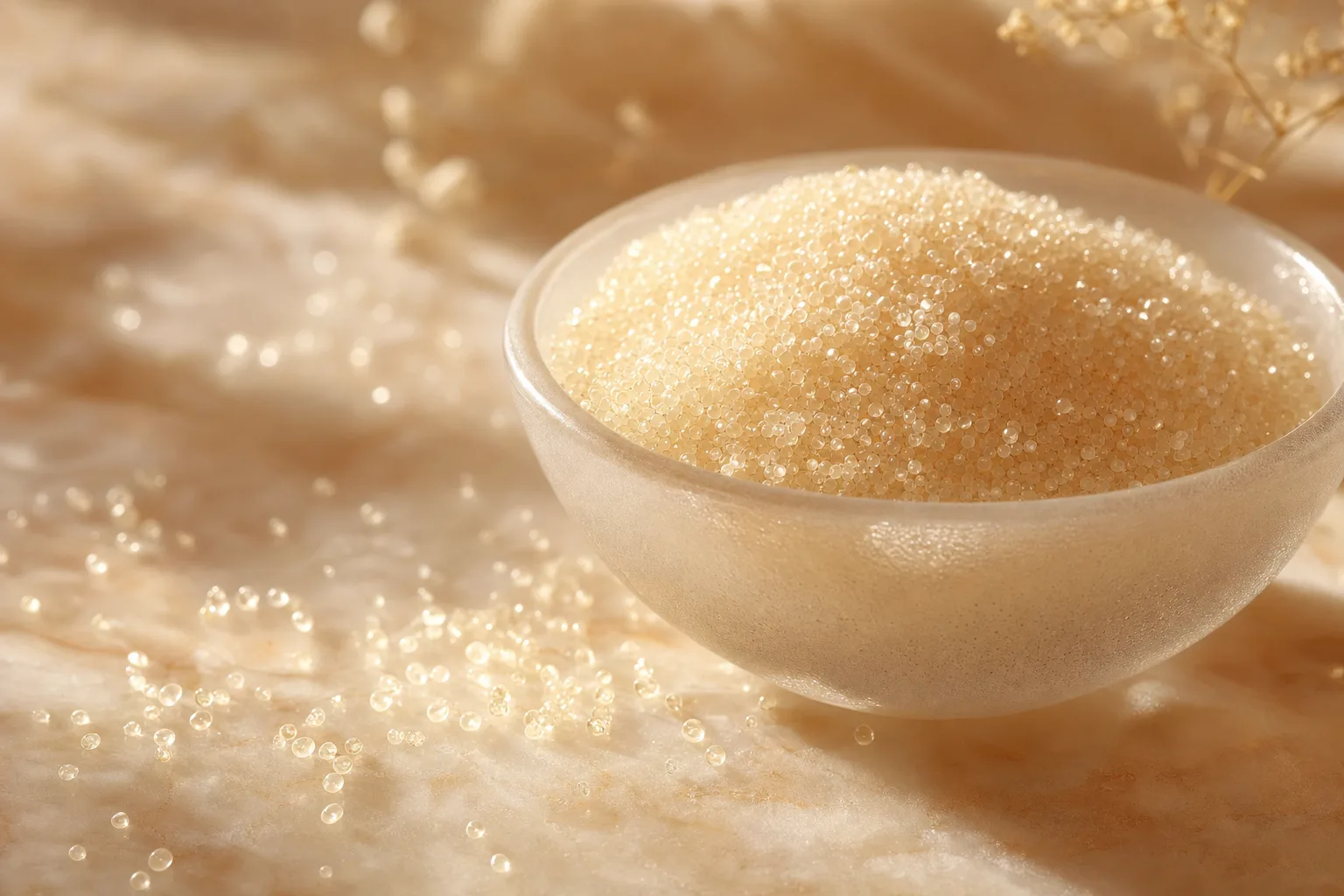
- Scrubs (physical): grains or brushes rub dead skin away. Skin feels smooth right away, but scrubbing hard builds irritation. The American Academy of Dermatology (AAD) suggests small, gentle circles.
- Exfoliating acids (chemical): acids such as AHA, BHA and PHA loosen the bonds between dead cells so they shed on their own. No rubbing is needed, but they can sting depending on strength and pH.
Neither is always better. Sensitive skin often does better without rubbing, while a light scrub can suit thicker patches. Do not use both on the same day.
Choosing AHA, BHA or PHA
- AHA (glycolic acid, lactic acid and others): smooths the skin surface. Popular with dry and combination skin.
- BHA (salicylic acid): mixes well with oil, so it reaches into pores. Suits oily and breakout-prone skin.
- PHA (gluconolactone and others): larger molecules work slowly and tend to sting less, a good start for sensitive skin.
One study found 10% glycolic acid made skin more sensitive to UV, while 2% salicylic acid showed no clear change (Kornhauser et al., 2009). Whichever you use, wear sunscreen during the day. Korean limits for each acid are in the AHA, BHA and PHA strength guide.
Signs you are overdoing it
- Your skin feels much tighter than usual after cleansing.
- Redness shows up more often and lasts longer.
- Even gentle products you always use start to sting.
- Your skin looks unusually shiny and taut.
If you see these signs, pause exfoliating for one to two weeks and rebuild the barrier with moisturizers containing ceramides, panthenol or hyaluronic acid. If redness persists after two weeks off, see a dermatologist.
How to exfoliate safely
- Patch test first: try a new product on the jawline or behind the ear.
- Start low: begin once a week and increase slowly if your skin is fine.
- Sunscreen by day: freshly exfoliated skin can be more sensitive to UV.
- Do not stack actives: on acid days, skip retinol and strong vitamin C and finish with moisturizer. See ingredients not to combine for more pairings.
Frequently asked questions
Can I exfoliate every day?
Most people do not need to. Sensitive or dry skin should stay at once a week or less, and even oily skin can weaken its barrier beyond two or three times a week. Cut back if you see redness or tightness.
Which is better, a scrub or AHA and BHA?
It depends on your skin. A scrub smooths instantly but can damage the barrier if you press hard, while AHA and BHA work evenly but can sting. With sensitive skin, start with a gentle PHA or low-strength AHA.
What should I apply after exfoliating?
Soothe with moisturizing ingredients such as hyaluronic acid, ceramides or panthenol. Save retinol and strong vitamin C for other days.
Could exfoliating be why my skin stays red?
It could. Overdoing it weakens the barrier and keeps skin red and reactive. If redness persists after more than two weeks off, see a dermatologist.
Skin Warning
If redness, stinging, or excessive tightness occurs after exfoliating, stop and allow the barrier to recover before using any exfoliant again. Do not combine a physical scrub and a chemical exfoliant on the same day. Running a chemical exfoliant routine without daily sunscreen undoes much of its benefit, and AHAs in particular can raise UV sensitivity.
Sources
- American Academy of Dermatology — How to Safely Exfoliate at Home
- Kornhauser A et al. "The effects of topically applied glycolic acid and salicylic acid on ultraviolet radiation-induced erythema, DNA damage and sunburn cell formation in human skin." J Dermatol Sci. 2009;55(1):10–17.
- Korea Ministry of Food and Drug Safety — "Standards and Testing Methods for Functional Cosmetics"
VERIFIED DUPES
Verified dupe pairs featuring AHA/BHA: 79
Pairs confirmed by comparing both full ingredient lists.