Home
Science Explainers · Dermatology

The Science of Pore Care
Sebaceous Glands, Cell Turnover and BHA

Medically speaking, the inherent size of a pore is hard to change for good with topical cosmetics. What you can manage is everything that makes a pore look larger than it is.

American Academy of Dermatology · MFDS guidance · Updated May 2026

Molecular structures of salicylic acid and niacinamide beside a pore cross-section diagram in elegant gold line work Molecular targets · Salicylic Acid · Niacinamide · Pore Cross-section

Ads that promise to shrink pores are everywhere, but medically the inherent size of a pore is hard to change permanently with topical cosmetics. What you can do is manage the things that make a pore look bigger, which makes it appear smaller. This guide draws on the American Academy of Dermatology, MFDS guidance and the consensus of peer-reviewed dermatology literature to lay out how pores work and which ingredients help.

The anatomy of a pore

Pores are two kinds of opening in the skin.

The size of a follicle opening comes down to genetics and the area of the face. The T-zone across the nose and forehead has more sebaceous glands and larger openings. The cheeks and chin tend to be smaller.

Why pores look larger — 4 factors

1. Excess sebum

When the sebaceous glands make a lot of sebum and it fills the pore, the pore looks stretched. How much sebum you produce is heavily influenced by androgens (the male hormones). It also shifts with puberty, the menstrual cycle and stress.

2. Slow cell turnover

When dead skin cells do not shed the way they should, they build up at the mouth of the pore and block it. Add sebum on top and it oxidizes dark on the surface into a blackhead, and the pore looks even more enlarged.

3. Loss of firmness

As collagen and elastin in the dermis decline with age, the skin around a pore loses its firmness and gravity drags the pore into a stretched shape. This is known as a teardrop pore.

4. Photoaging

Long-term sun exposure breaks down the elastic fibers in the dermis, so the skin around a pore turns rough and the pore stands out more. The American Academy of Dermatology reports photoaging as the biggest reason pores become more visible.

Table I — What you can manage

Inherent size has topical limits, visible enlargement can be managed

FactorTopical care
Genetic pore sizeTopical limits (permanent change is a procedure)
Excess sebumYes — BHA, niacinamide
Clogged poresYes — BHA, AHA, retinoids
Loss of firmnessYes — retinoids, peptides, vitamin C
PhotoagingPreventable — sunscreen, antioxidants

Sources: American Academy of Dermatology — Pores guide / Draelos ZD. Cosmetics in Dermatology

Key fact: The inherent size of a pore is set by genetics and anatomy, and it is hard to change permanently with topical cosmetics. The visible enlargement from sebum, dead skin and loss of firmness is something you can manage.

Niacinamide (Vitamin B3)

Niacinamide is a common ingredient for controlling sebum and improving the look of enlarged pores. It is also an MFDS-listed functional ingredient for brightening and wrinkles.

What to know

Salicylic acid (BHA)

Salicylic acid is an oil-soluble acidic exfoliant. Its defining trait is that it works on the sebum inside the pore.

What to know

AHA (glycolic acid, lactic acid and others)

AHAs are water-soluble acidic exfoliants. They mostly work on surface dead skin and leave the surface feeling smooth.

What to know

Retinoids

Retinoids normalize the cell renewal cycle to speed up turnover and activate collagen synthesis in the dermis. The data on how they prevent clogged pores and restore firmness has built up over time.

What to know

The Synthesis of Wisdom

Three threads that explain pores

The biological role, the clinical standard and the scientific source. Why pores show and what topical care can reach are both set by mechanisms at the molecular level.

01. Biological Role

Balancing sebum, dead skin and firmness

A follicle opening's inherent size is genetic, but visible enlargement is decided by four factors: excess sebum, clogged pores, loss of firmness and photoaging. Topical care works by tuning those four at the molecular level.

02. Clinical Standard

Concentration plus where it acts

The concentrations reported effective in peer-reviewed trials are 2 to 5% niacinamide, 0.5 to 2% BHA, 5 to 10% AHA (glycolic acid) and 0.025 to 0.1% retinol. BHA is oil-soluble and acts inside the pore, while AHA is water-soluble and acts on the surface.

03. Scientific Source

Peer-reviewed literature

American Academy of Dermatology — Pores guide and Korea's MFDS "Regulation on Cosmetic Safety Standards." These are the main references for pore-care guidance.

Table II — Clinically reported vs unproven

"This works / this doesn't"

MethodEffect
Regular BHA useProven — clears sebum and dead skin inside the pore
Niacinamide 4–5% for 12 weeksReported — improved pore appearance
Long-term retinoid useProven — normalizes turnover, collagen synthesis
Cold water or ice packsTemporary — a few minutes of blood-vessel constriction only
Pore strips (nose strips)Surface only — frequent use risks loss of firmness
"Pore-tightening toner" (high alcohol)Temporary — weakens the barrier over time
Steaming the faceUnproven — pores have no muscle, they do not open and close

Sources: AAD Pores guide / MFDS safety standards

A practical routine — general guidance

Morning

  1. Cleanse with a gentle foam or gel cleanser
  2. Niacinamide 5–10% serum (sebum control)
  3. A light moisturizer (look for a non-comedogenic label)
  4. SPF 30+ / PA+++ sunscreen (photoaging prevention)

Evening

  1. Double cleanse, first with oil or balm, then with foam or gel
  2. BHA 0.5–2% toner or serum 2–3 times a week (clears clogged pores)
  3. A retinoid (start at a low concentration, every other day)
  4. A moisturizing cream (barrier recovery)

Caution: BHA, AHA and retinoids can build up irritation, so do not use them at the same time. Alternate days or space them out. If irritation or redness appears, cut back on how often you use them or drop to a lower concentration.

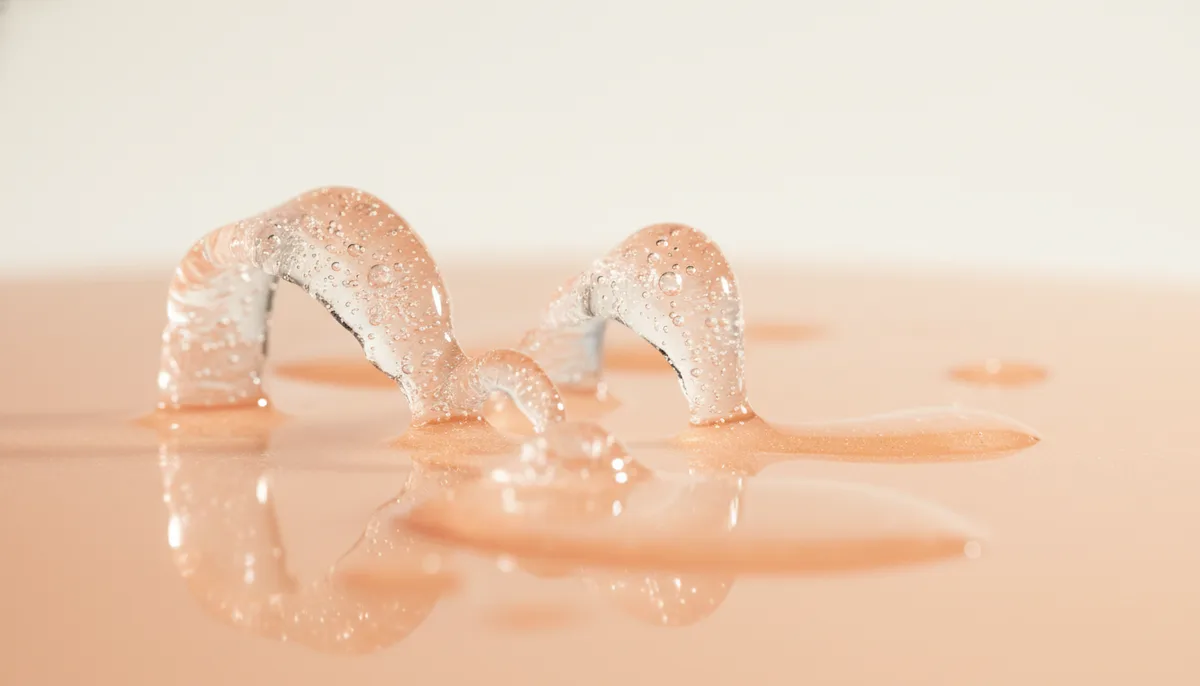
BHA toner texture catching the morning light, dotted with tiny water droplets

When you need a professional procedure

If six months or more of topical care brings little change, or if pores are badly stretched, a dermatology procedure may be worth considering.

These are medical procedures. Always consult a qualified dermatologist before going ahead. This guide does not cover the effects or prices of procedures.

The inherent size of a pore does not change with topical care. What you can change is everything that makes it look bigger: sebum, dead skin, firmness and photoaging. Working on those at the molecular level is what real pore care comes down to.

Beauty Dupe Editorial

Frequently asked questions

Is it bad to use pore strips often?

Once a week or less is the general suggestion. Using them more often pulls hard on the surface of the skin and can damage the skin around the pore and weaken its firmness.

Yellow grains come out when I squeeze my pores. Is that normal?

Those are sebaceous filaments. They are a natural part of the pore and not the same as blackheads. They refill every day as normal secretions, so forcing them out can cause inflammation or scarring. Regular care with a BHA is enough.

I have oily skin. Should I still use a moisturizer?

Yes. When skin feels dry it tends to produce more sebum, so the right amount of moisture can actually help keep oil in check. Choose products labeled oil-free or non-comedogenic.

Is it bad to use retinol and BHA together?

Using them in the same slot can stack up irritation. The general advice is to alternate days, applying BHA one night and retinol the next. When you are starting out, get used to one at a time before adding the other.

Skin Warning

BHA, AHA and retinoids are acidic or exfoliating ingredients. Ease in at night every other day, watch how your skin reacts, then build up the frequency. If irritation or redness appears, lower how often you use them and the concentration.

Sources

Disclaimer · This guide is general information and does not replace a personal diagnosis. If enlarged pores or acne are severe, or topical care brings no improvement, please see a dermatologist.
Continue Exploring

Keep reading

Ingredient guide Four types of vitamin C compared
Exfoliation guide AHA, BHA and PHA concentration guide
Breakouts Acne — cosmetics vs medicine
Vitamin B3
Ingredient dictionary Niacinamide
AHA · BHA
Ingredient dictionary AHA and BHA: benefits and differences
Vitamin A
Ingredient dictionary Retinol: benefits and concentration
Start Your Analysis

Analyze your pore-care products with AI

Our AI breaks down the BHA, niacinamide and retinoid content and concentration in the products you use, then points you to good-value alternatives.

Start your analysis
한국어