Men's Skincare Basics A 3-Step Routine to Start With
If you're new to skincare, the range of products and the question of what order to use them can feel overwhelming. A routine built around just three steps (cleansing, moisturizing, and sun protection) gives you a solid foundation for maintaining the skin barrier and slowing visible aging. This guide covers what makes men's skin distinctive, then walks through how to structure a morning and evening routine.
AAD Skin Care Tips for Men · Updated September 2026
Two Key Traits
Two characteristics that shape men's skincare needs
01. Sebum & Thickness
Sebum production and skin thickness
Men's skin tends to be thicker than women's, and it is also known to produce more sebum. This is why pores clog more readily and the face often looks shiny. Over-stripping sebum with harsh cleansers can signal the skin to produce even more, so a mild, slightly acidic cleanser is the right starting point.
02. Shaving & Barrier
Shaving and the skin barrier
Shaving puts repeated mechanical stress on the skin. The blade removes not only hair but also part of the stratum corneum (the outermost layer of the skin barrier). Without proper moisturizing and calming care right after, moisture escapes quickly and irritation accumulates over time.
Men's and women's skin share the same basic structure, but men's skin tends to be thicker and is also known to differ in sebum output. Understanding these differences makes it easier to choose the right textures and ingredients. If you want to understand how to layer products in the right order, the skincare layering order guide is a good companion to this one.
The 3-step foundation
Consistency matters more than complexity. These three steps form a foundation that's sufficient for maintaining a healthy skin barrier.
Step
Purpose
Key ingredient hints
Cleanse
Remove sebum and impurities while preserving the skin's natural acidity
In the morning, the goal is to clear away overnight sebum and product residue, then apply moisturizer and sunscreen before heading out.
Cleanse: A foam or gel cleanser works well. If your skin is on the oilier side, a plain water rinse in the morning is often enough on its own.
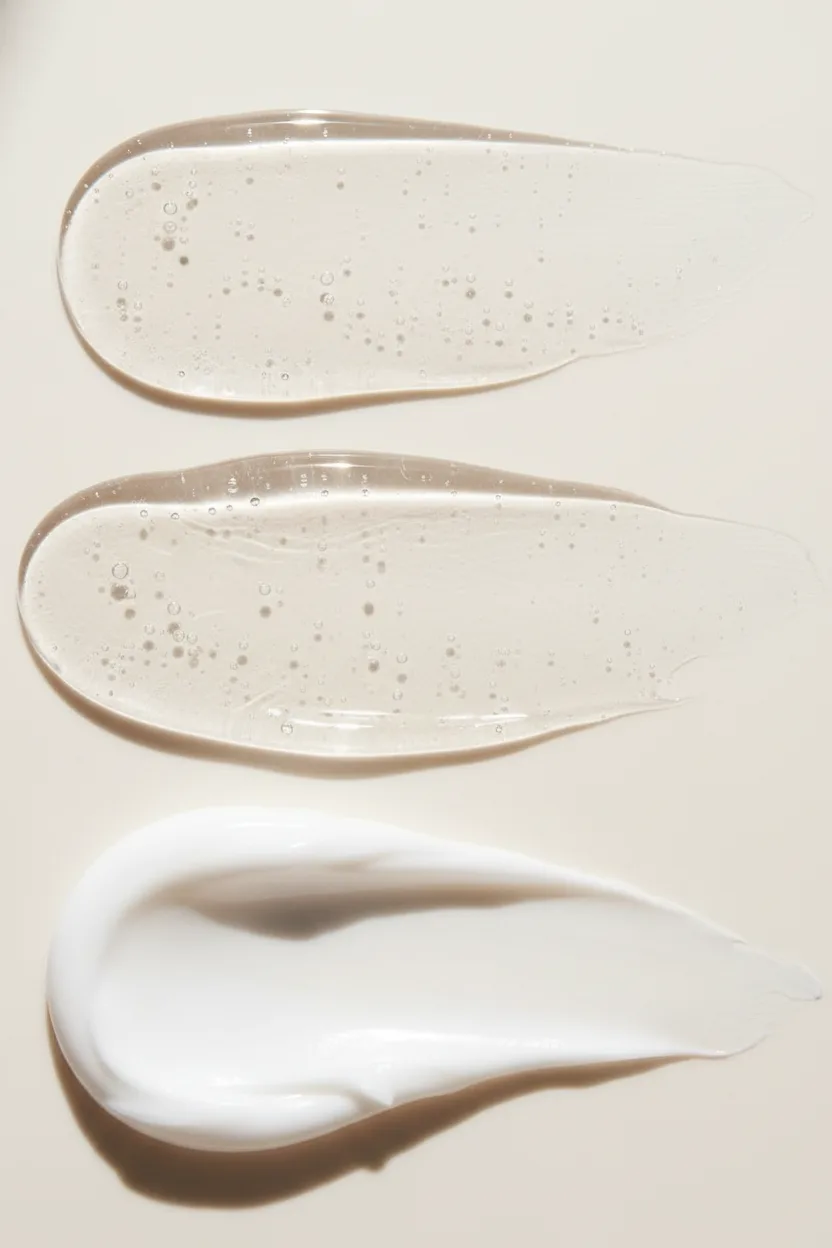
Moisturize: A lightweight lotion or gel texture absorbs quickly and works well under sunscreen. Look for ceramides or hyaluronic acid to support barrier function.
Sunscreen: UV-A rays pass through windows and clouds, so sunscreen is worth applying even on overcast days or if you're mostly indoors. SPF 30 with PA++ is sufficient for everyday use.
Advertisement
Evening routine
Evening is for thoroughly removing the day's sebum, sunscreen residue, and environmental buildup, then supporting skin recovery overnight.
Cleanse: If you wore sunscreen, start with an oil cleanser or cleansing balm to dissolve it, then follow with a foam or gel cleanser. If you didn't use sunscreen, a single cleanse is enough.
Moisturize: A slightly richer moisturizer than the morning one works well at night, since skin repairs itself during sleep. Ceramides and niacinamide are worth including to reinforce the barrier.
Before and after shaving
Shaving is one of the most skin-stressing parts of a daily routine. A few straightforward habits can reduce that stress significantly.
Before shaving: Washing your face with warm water softens the beard and opens pores, reducing blade friction. Apply a shaving foam or gel generously to create a buffer between the blade and your skin.
Shaving direction: Shaving in the direction of hair growth reduces the mechanical stress on the skin. If you need a closer shave, do a first pass with the grain before changing direction.
After shaving: Choose a product with calming ingredients such as panthenol or allantoin rather than a high-alcohol aftershave, which strips moisture. Apply a moisturizer right after to help the barrier recover and reduce redness.
Ingredient additions by skin type
Once the 3-step routine feels established, you can add targeted ingredients based on your skin's needs.
Skin type
Useful addition
Why
Oily or combination
Niacinamide
Helps regulate sebum and refine the appearance of pores
Sensitive or shaving-irritated
Panthenol, allantoin, ceramides
Support calming and barrier repair
Acne-prone
Azelaic acid, salicylic acid (BHA)
Help clear pores and address breakouts
Anti-aging focus
Retinol, adenosine
Support skin renewal and address early wrinkles (evening use only)
When adding a new active ingredient, introduce one at a time and give your skin two to four weeks to adjust before adding the next. Starting multiple actives at once makes it hard to identify the cause if irritation appears. For guidance on which ingredients to avoid pairing together, see the ingredient combinations to avoid guide.
Editorial Tip
You don't need to start complicated
"Focus on the three steps first: cleanse, moisturize, protect from the sun. Building a consistent habit matters more than using expensive products. Once those three steps feel natural, add what your skin actually needs, one ingredient at a time."
— Beauty Dupe Editorial
The Synthesis of Wisdom
The three pillars of a basic routine
Cleansing, moisturizing, and sun protection. These three need to be in place before any additional ingredient can perform at its best.
01. Cleanse
Cleansing done right
Removing sebum and impurities without disrupting the skin's natural slightly acidic pH (around 5 to 6) is the foundation. Overly strong cleansers remove too much sebum and can trigger the skin to compensate by producing more, making oiliness worse over time.
02. Moisturize
Moisturizing and barrier health
The skin barrier's job is to keep moisture in and external irritants out. Replenishing it with ceramides or hyaluronic acid helps the skin stay stable against shaving stress, environmental changes, and other daily challenges.
03. Sun Protection
Daily UV protection
UV radiation is a leading driver of visible skin aging. UV-A rays pass through clouds and glass, so they reach you even on overcast days or near a window. Applying sunscreen each morning is one of the most reliably effective long-term skincare habits.
"
What matters more than being male or female is what your skin is actually facing each day. Over-cleansing, skipping moisturizer, and leaving out sunscreen. Correct those three habits and you'll notice a difference without needing a single expensive serum.
Beauty Dupe Editorial
Advertisement
Common mistakes to avoid
Skipping moisturizer after cleansing: When skin dries out after washing, the sebaceous glands produce more sebum to compensate. Leaving out moisturizer can actually make oiliness worse.
Skipping sunscreen on cloudy days: UV-A rays pass through cloud cover, so outdoor exposure on overcast days still means UV exposure.
Using a harsh cleanser every day: Cleansers with strong surfactants strip the protective barrier along with sebum. If your skin feels tight or dry after washing, switching to a gentler option is the right move.
Finishing with aftershave alone: High-alcohol aftershaves have antiseptic properties but remove moisture. Always follow with a separate moisturizer to help the skin recover.
Frequently asked questions
Do men need to do skincare every day?
Skin is exposed to external irritants, sebum buildup, and UV radiation every day. Even a simple 3-step routine of cleansing, moisturizing, and applying sunscreen helps maintain the skin barrier and slow visible aging, so a daily habit is worth building.
How is men's skin different from women's skin?
Men's skin tends to be thicker than women's, and it is also known to produce more sebum. Repeated shaving also places ongoing stress on the skin barrier. This makes moisturizing and calming ingredients particularly important for men.
What should I use when shaving causes significant irritation?
After shaving, products containing panthenol or allantoin help calm the skin more effectively than high-alcohol aftershaves, which strip moisture. Shaving in the direction of hair growth reduces friction, and following up with a proper moisturizer right after helps the skin recover quickly.
Do I need to use products specifically marketed for men?
Not necessarily. Products labeled 'for men' are typically differentiated by fragrance and packaging rather than by meaningfully different formulations. Choosing products based on your skin type and the ingredients they contain matters more than the gender label.
Skin Warning
When starting an active ingredient such as retinol or an exfoliating acid for the first time, begin with one to two evenings per week at a small amount and monitor how your skin responds before increasing frequency. Avoid applying active ingredients directly to freshly shaved skin. If irritation persists, stop use and consult a dermatologist.
Disclaimer · This guide is for general information only and does not substitute for individual skin diagnosis. If irritation or breakouts occur, discontinue use and consult a dermatologist. In case of conflict between this English version and the Korean original, the Korean version takes precedence.