Cleansers split by what dissolves the grime
Your face collects two kinds of grime. Oily grime such as sebum, makeup and sunscreen comes off best with oil, while water-like grime such as sweat and dust rinses away with water and cleansing agents (surfactants). Like dissolves like.
So cleansers fall into oil-based types (oil and balm) and surfactant-based types (foam, gel, cleansing water and micellar water). Double cleansing uses the first to melt oily grime and the second to finish.
Cleansing oil vs cleansing balm
They work the same way. A balm is a cleansing oil in solid form. Warmed in your hands it turns into oil and melts makeup and sunscreen just the same. When it meets water, an emulsifier turns it milky so it rinses off.
- Cleansing oil: easy to pump and spreads fast, but it can spill.
- Cleansing balm: spill-proof and travel-friendly. It needs a moment to melt and usually costs a little more.
Cleansing power is similar, so choose by habit. Both suit dry or combination skin and makeup days. For oily skin, pick a light oil base that is less likely to clog pores.

Foam and gel cleansers
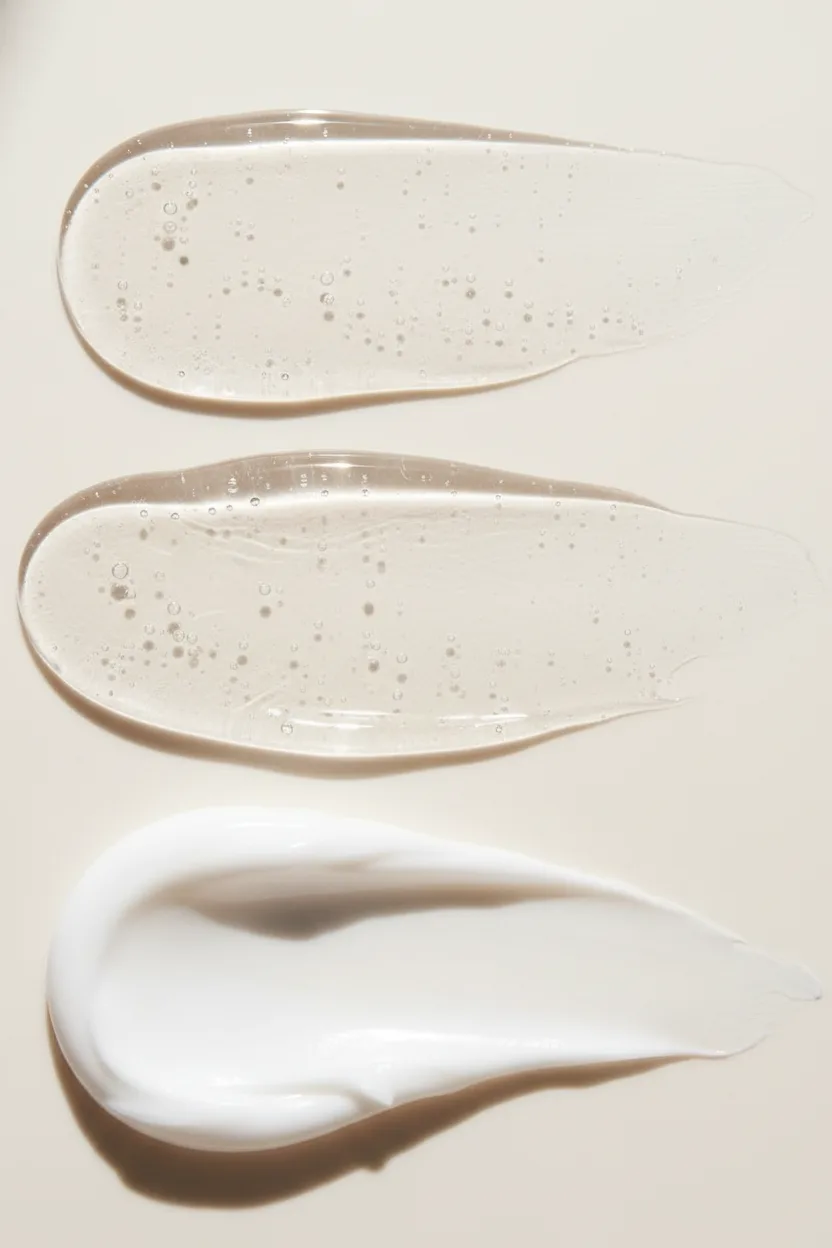
- Foam cleanser: foaming surfactants rinse away water-like grime and light oil together. It feels clearly clean, so oily and combination skin often like it. Strong surfactants (SLS, SLES) can be hard on sensitive skin, so dry skin does better with a mild amino acid, low-pH foam.
- Gel cleanser: a clear, low-foam gel with mild surfactants that rinses off lightly. It removes makeup less well, so it suits no-makeup days and oily or breakout-prone skin.
Cleansing water and micellar water
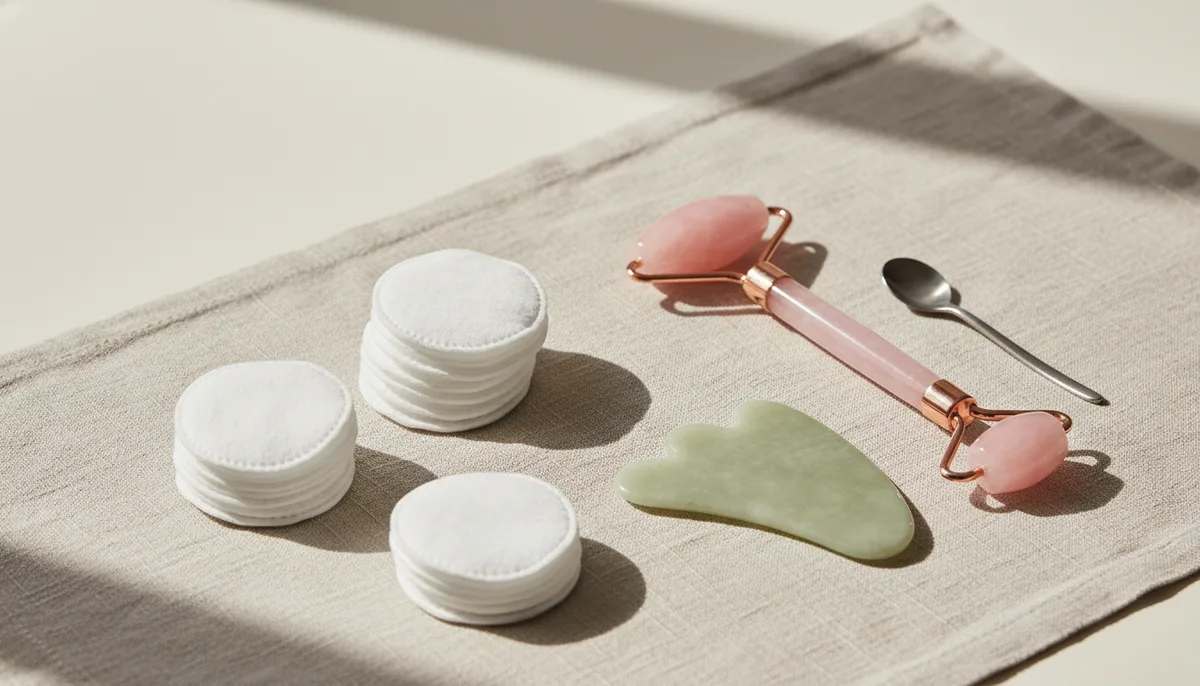
- Cleansing water: water with mild surfactants and moisturizers, wiped off with a cotton pad. Handy for light makeup or in a hurry, but too weak for sunscreen or waterproof makeup.
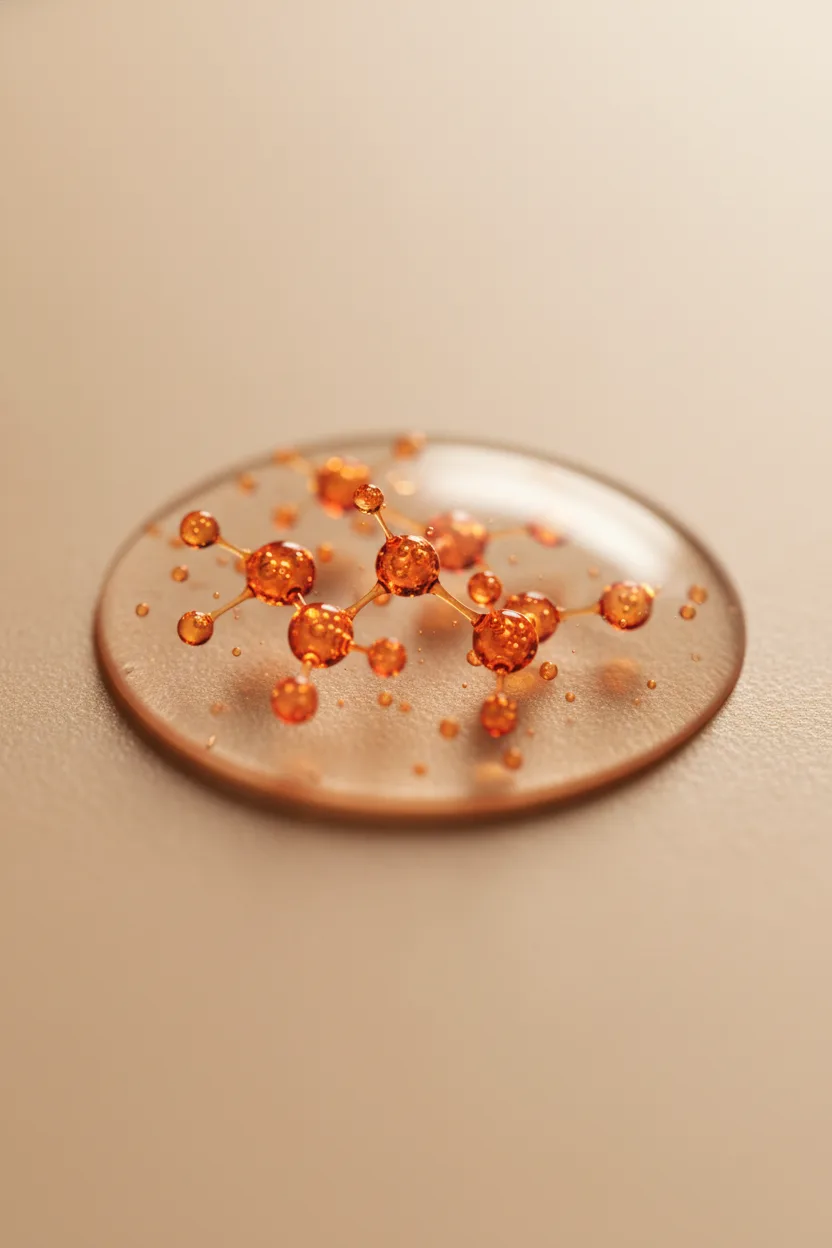
- Micellar water: surfactants gather into tiny spheres (micelles) that pull makeup and oil onto the pad. It removes oily grime better than plain cleansing water and is gentle enough for sensitive or dry skin.
Both involve rubbing with a pad, so go lightly if your skin is sensitive.
How to choose among the 6 cleanser types by skin type
- Dry and sensitive: in the evening, balm or oil then a mild amino acid foam. In the morning, micellar water or a gentle gel.
- Oily and breakout-prone: in the evening, a light cleansing oil then a low-pH foam or gel. In the morning, a single low-pH foam or gel.
- Combination: in the evening, balm or oil then a low-pH foam. In the morning, one low-pH foam.
- Normal: cleanse once or double cleanse depending on whether you wear makeup.
Days you need a double cleanse
Double cleansing is for days with oily grime to remove, not every day.
- Morning: one foam or gel is enough.
- Evening with sunscreen only: a light oil and a foam.
- Evening with makeup: melt it with oil or balm, then finish with foam.
- Waterproof makeup: take your time melting it with oil or balm.
Double cleansing every day, even without makeup, can weaken the skin barrier.
Cleansing habits to avoid
- Hot water: use lukewarm water. Hot water strips oils your skin needs (AAD).
- Long scrubbing: keep it under a minute. Irritation builds with time.
- Strongly alkaline soap: it disrupts the skin's mild acidity and can leave you tight. A low-pH cleanser is easier on skin.
- Daily scrubbing tools: cut back to once or twice a week.
Frequently asked questions
Do I need to double cleanse every day?
Only on days with makeup or long-wear sunscreen. Doing it daily can burden your skin barrier.
Is it normal to feel tight after cleansing?
A slight fresh feeling is fine. Strong tightness, redness or stinging means the cleanser is too harsh. Try a low-pH amino acid cleanser.
Do I always need a foam after cleansing oil?
Most cleansing oils do not rinse off completely, so finish with a foam or gel. Products labeled as rinsing clean on their own can be used alone.
My cleansing balm is solid. How do I use it?
Scoop a little with the spatula and melt it in your palms with body heat. Cold hands melt it slowly, so start with warm hands.
Skin Warning
Strongly alkaline soap, hot water and scrubbing for more than a minute are habits that weaken the skin barrier. The safe standard is a mildly acidic cleanser in lukewarm water for 30 to 60 seconds.
Sources
INGREDIENT CHECK
Curious what goes into your own products?
Type a product name and get a free ingredient analysis.